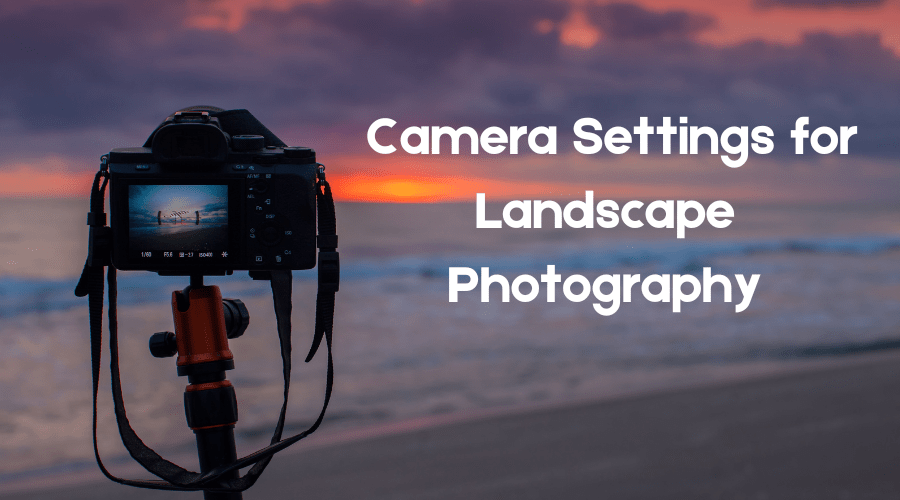
Landscape photography is captivating. It lets you capture the beauty and grandeur of nature. To get stunning results, you must understand the best camera settings. They are crucial for landscape photography. These settings can vary based on the scene, lighting, and your creative goals.
In this blog post, we’ll cover the key camera settings. They will help you improve your landscape photography.
Aperture
Using the right aperture is critical in landscape photography. The aperture controls the depth of field. It is the range of distance that appears sharp in the image. For most landscape shots, you’ll want a large depth of field. It ensures that everything from the foreground to the background is in focus.
Aperture Settings: Aperture Settings are best for landscape photos. They typically involve a narrow aperture. Settings between f/8 and f/16 are ideal because they maximize the depth of field.
Creative Control: You can emphasize an element in the landscape. To do this, use a wider aperture (like f/5.6) to create a shallow depth of field.
Use a narrow aperture. It keeps your landscape photos sharp. It captures every detail of the scene.
ISO
ISO determines your camera’s sensitivity to light. In landscape photography, keeping image quality is most important. So, keep the ISO low. This is the general recommendation.
ISO Settings: Start with a low ISO, such as ISO 100 or 200. This minimizes digital noise and keeps your images clear and crisp.
Adjusting ISO: Increase ISO only when needed. This is necessary in low-light. In low-light, your aperture and shutter speed can’t give a proper exposure.
Keeping the ISO low preserves the details and dynamic range of your landscape photos. This results in better images.
Shutter Speed
Shutter speed controls how long your camera’s sensor is exposed to light. In landscape photography, you often use slow shutter speeds. This is especially true when using a tripod.
Shutter Speed Settings: For standard landscapes, a speed of 1/60th of a second or slower is often enough. This is especially true if the camera is stabilized.
Creative Effects: Use creative effects. They capture movement in the scene, like flowing water or moving clouds. Try long exposures. They can last several seconds or even minutes. Conversely, use a faster shutter speed to freeze motion if needed.
The best camera settings for landscape photography include experimenting with shutter speed. It can achieve artistic effects and properly expose your scene.
Related Blog: What Are The Best Photography Websites?
Focus
Achieving sharp focus throughout your landscape image is crucial. Manual focus or focusing on the hyperfocal distance can help.
Manual Focus: Using manual focus gives you more control. This is especially true in low-light conditions or when your camera’s autofocus struggles.
Hyperfocal Distance: Focus approximately one-third into the scene. This technique ensures maximum sharpness from the foreground to the background.
White Balance
White balance affects the color temperature of your images. Adjusting it according to the lighting conditions helps in achieving accurate color reproduction.
White Balance Settings: Use White Balance presets. These include daylight, cloudy, and shade. Choose the one for the conditions. For more precise control, set a custom white balance.
Creative Choices: You can adjust the white balance creatively. This can enhance your photo’s mood. Warmer white balance can make a sunset more vibrant. Cooler settings can add drama to snowy scenes.
Choose the best white balance for landscape photos. It ensures that your images have natural, pleasing colors.
Metering Mode
Metering decides how your camera measures light in a scene. It does this to set the correct exposure. Different metering modes can yield different results in landscape photography.
Evaluative/Matrix Metering: Evaluative/Matrix Metering is the best starting point for landscapes. It considers the whole frame.
Spot Metering: Use Spot Metering in high-contrast situations. It ensures that a specific part of your scene is correctly exposed.
Exposure Compensation: Adjust the exposure compensation. Do this if your images are too dark or too bright.
Choosing the right metering mode and adjusting exposure compensation helps. It makes the best camera settings for landscape photos, ensuring well-exposed images.
File Format
Shooting in the right file format is key. It allows for flexible post-processing and keeps image quality.
RAW Format: Always shoot in RAW. RAW files contain unprocessed data from the camera sensor. They offer the best quality and the most flexibility for adjustments later.
JPEG Format: JPEGs are compressed and processed in-camera. This can reduce detail and range. Reserve JPEGs for situations where you need quick, ready-to-use images.
Shooting in RAW keeps the most detail and range. This is key for great landscape photos.
Conclusion
To master the best camera settings for landscape photography, you must balance them. You must also understand many factors. These include aperture, ISO, and shutter speed. They also include focus, white balance, metering mode, and file format. Each setting plays a crucial role in capturing the stunning landscapes you envision. Experiment with these settings. Adjust them based on specific conditions. Then, you’ll be well on your way to creating breathtaking landscape photos. Happy shooting!
FAQs
What is the best aperture setting for landscape photography?
Answer: The best aperture setting for landscape photography is typically between f/8 and f/16. These settings provide a large depth of field. They ensure that both the foreground and background are in sharp focus.
Why should I keep the ISO low in landscape photography?
Answer: Keeping the ISO low helps. For example, ISO 100 or 200. This practice minimizes digital noise and keeps the best image quality. Low ISO settings are essential for keeping detail and dynamic range. These things are critical in landscape photos.
How can I achieve sharp focus throughout my landscape photos?
Answer: To get sharp focus in your landscape photos, use manual focus or focus at the hyperfocal distance. Focusing about one-third into the scene helps. It ensures that the foreground to the background is in focus.
What shutter speed should I use for landscape photography?
Answer: The appropriate shutter speed for landscape photography varies. For standard shots, a shutter speed of 1/60th of a second or slower is often sufficient when using a tripod. To capture motion, such as flowing water or moving clouds, try longer exposures. Use faster shutter speeds to freeze action if necessary.
Should I shoot in RAW or JPEG for landscape photography?
Answer: It is best to shoot in RAW format for landscape photography. RAW files keep the most data from the camera’s sensor. This lets for more flexible editing without losing quality.
 Clipping World