Welcome to a journey through the realms of image editing, where the subtle nuances of drop shadow service can significantly influence our perception of skin. In this comprehensive exploration, we delve into the intricate interplay between design, psychology, ethics, and technology in the realm of skin representation.
Introduction to Drop Shadows
Definition and Purpose:
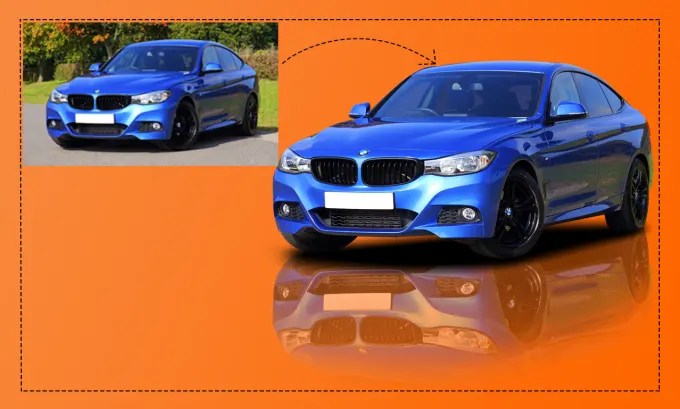
A drop shadow is a graphical effect that creates the illusion of depth by casting a shadow behind an object. Its purpose lies in enhancing visual appeal, creating depth, and adding realism to images.
Historical Context:
The origins of drop shadows can be traced back to early graphic design techniques. Over time, they have evolved from hand-drawn illustrations to digital applications in modern design, becoming a staple in visual communication.
Skin and Image Editing
Significance of Skin:
Skin plays a crucial role in visual representation, conveying emotions, health, and beauty. Its significance is evident in various fields such as photography, advertising, and media, where the portrayal of skin can influence consumer perceptions.
Techniques for Enhancing Skin Appearance:
Image editing techniques like skin retouching and color correction are commonly used to enhance the appearance of skin in photographs. These techniques help in removing blemishes, wrinkles, and imperfections while adjusting skin tone for desired aesthetics.
Drop Shadows and Skin Perception
Psychological Effects:
Drop shadows can have a profound impact on the perceived quality of skin. By adding depth and texture, they enhance the smoothness and realism of skin, influencing viewer perception and emotional response.
Impact on Facial Features:
Drop shadows can also alter facial structure by accentuating or diminishing certain features. Subtle adjustments in lighting can convey different emotions and moods, further shaping the viewer’s interpretation of the image.
Ethical Considerations
Ethics of Altering Skin Appearance:
There is an ongoing debate regarding the ethics of altering skin appearance in media. While some argue for authenticity, others advocate for idealized representations, raising concerns about the promotion of unrealistic beauty standards.
Responsible Image Editing:
It is essential for creators to practice transparency and disclosure in advertising, ensuring that manipulated images are clearly identified as such. Promoting positive body image and self-acceptance is crucial in mitigating the negative impact of unrealistic beauty standards.
Technical Aspects
Application of Drop Shadow Services:
Various techniques can be employed to add drop shadows to images, including layering and blending modes in graphic design software. The choice between manual adjustments and automated tools depends on the desired outcome and level of control required.
Software Tools and Techniques:
Popular software like Photoshop and GIMP offer a wide range of tools for image editing, including features for adding drop shadows. Tutorials and resources are available to help users master these techniques and enhance their creative skills.
Consumer Behaviour and Marketing
Influence on Consumer Perception:
Drop shadows play a significant role in product marketing by enhancing the appeal and perceived quality of products. They create visual interest and attention-grabbing effects that resonate with consumers, influencing their purchasing decisions.
Leveraging Drop Shadows:
Beauty products often leverage drop shadows to highlight skincare benefits and product efficacy through visual enhancement. By creating aspirational imagery, marketers can effectively communicate with their target demographics and drive sales.
Cultural and Societal Influences
Beauty Norms and Skin Appearance:
Beauty ideals vary across cultures, with different standards of beauty and skin aesthetics prevailing in various societies. Media and celebrities play a significant role in shaping these norms, influencing societal attitudes towards beauty and self-image.
Societal Attitudes:
The widespread use of digitally altered images has led to heightened awareness of body image issues and mental health implications. There is a growing demand for authenticity and diversity in media representation, reflecting a shift towards more inclusive beauty standards.
Case Studies and Examples
Analysis of Advertisements:
Deconstructing ad campaigns offers insight into how drop shadows are used to enhance skin in beauty advertisements. By comparing different approaches, we can evaluate their effectiveness in capturing consumer attention and driving engagement.
Real-world Applications:
Examples from the fashion, beauty, and entertainment industries demonstrate the diverse applications of drop shadows for skin enhancement. Success stories highlight the effectiveness of these techniques, while cautionary tales emphasize the importance of ethical considerations in image editing.
Future Trends and Technologies
Emerging Technologies:
Advancements in image editing, driven by AI and augmented reality, are shaping the future of skin representation. AI-driven tools offer automatic skin enhancement and manipulation, while AR applications enable real-time skin modification for immersive user experiences.
Predictions and Challenges:
Anticipated shifts in design trends and consumer expectations pose challenges for creators and marketers alike. Addressing ethical concerns and regulatory implications is essential in ensuring responsible use of technology and promoting positive societal outcomes.
Health Implications
Mental Health and Well-being:
Unrealistic beauty standards perpetuated by digitally altered images can have detrimental effects on mental health, leading to body dissatisfaction, low self-esteem, and eating disorders. Promoting body positivity and self-acceptance is crucial in mitigating these negative impacts.
Responsible Practices:
In healthcare and medical contexts, accurate representation is essential for diagnosis and treatment. Balancing aesthetic enhancement with ethical considerations ensures responsible practices in patient care, prioritizing the well-being of individuals over unrealistic beauty standards.
Conclusion
As we conclude this enlightening journey, we recognize the profound impact that drop shadows wield on our perception of skin. From the realms of design to the depths of societal consciousness, the interplay between shadows and skin reflects not only our aesthetic preferences but also our values, ethics, and aspirations.
As we navigate the ever-evolving landscape of image editing, let us strive for authenticity, empathy, and inclusivity in our representations, ensuring that every shadow cast serves to illuminate the beauty and diversity of the human experience.
 Clipping World