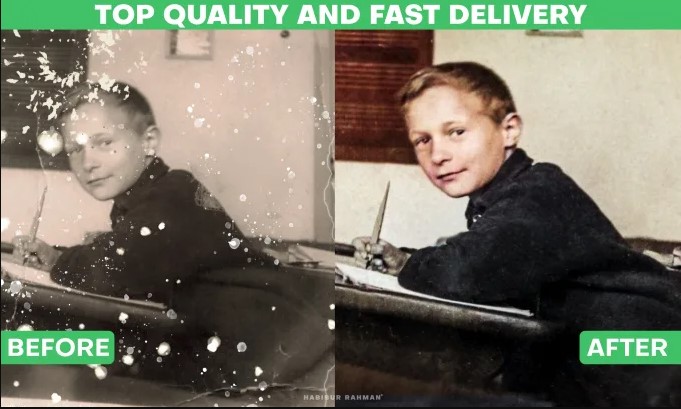
Restoring old photos is a meticulous process that requires patience, attention to detail, and the right tools. Whether you have cherished family photographs or historical images that have suffered from wear and tear over time, the following in-depth guide will provide you with comprehensive steps to help you restore them to their former glory.
Assess the level of damage:
Before you begin the restoration process, carefully examine the photo to determine the extent of the damage. Look for scratches, tears, stains, fading, discoloration, or any other issues that need attention. This thorough assessment will help you understand what needs to be done and what tools or software you may require.
Make digital copies:
To protect the original photo and allow for experimentation without risking further damage, create a digital copy. You can achieve this by scanning the original photo using a high-quality scanner or by taking a high-resolution photograph of it using a digital camera. Ensure proper lighting and focus to capture as much detail as possible.
Please send us two or three images for a risk-free trial.
For free trial: https://www.clippingworld.com/submit-free-trial/

Clean the photo (if necessary):
Before you start the restoration process, it’s essential to clean the scanned image to remove any dust or dirt. Use a soft brush or compressed air to gently remove particles without scratching the photo’s surface. Be cautious and handle the photo with care throughout this process.
Repair minor damage:
Utilize photo editing software such as Adobe Photoshop to repair minor damages like scratches, stains, or small tears. These software tools offer features like the clone stamp, healing brush, or patch tool to help recreate missing areas or blend damaged parts with the rest of the image. Take your time and work meticulously to achieve the best results.
Restore missing or heavily damaged areas:
When it comes to significant damage, such as large tears or missing portions, manual restoration techniques are often necessary. This advanced process involves carefully recreating the missing areas using similar colors and textures from the original photo or other reference images. It requires a high level of skill and may be best handled by a professional restoration service if you are not experienced in this area.
Adjust brightness, contrast, and color:
Enhancing the overall appearance of the image is a crucial step in restoring old photos. Using photo editing software, adjust the brightness, contrast, and color balance to enhance the clarity and vibrancy of the restored photo. Take care not to overdo these adjustments, as it is essential to maintain the original look and feel of the photo.
Preserve the original style:
If the photo exhibits a specific vintage style or shows signs of aging, it’s important to preserve that aesthetic during the restoration process. Apply filters or adjust the image settings to maintain the original look while still improving its quality. This step adds an authentic touch to the restored photo, maintaining its historical value and charm.
Print and store the restored photo:
Once you are satisfied with the restoration, it’s time to print the photo. Use high-quality archival paper and ink to ensure its longevity and vibrant appearance. Store both the original photo and the restored copy in a safe and controlled environment to protect them from further damage. Acid-free folders, sleeves, or photo albums are excellent options for long-term preservation.
Restoring old or damaged photos requires time, effort, and skill. It’s important to note that each restoration project is unique, and results may vary depending on the condition of the original photo and your expertise in image restoration. If you lack confidence or encounter extensive damage, consider consulting a professional photo restoration service to ensure the best possible outcome.
Remember, the goal of photo restoration is to revive cherished memories, preserve historical moments, and breathe new life into images that have suffered the effects of time. By following these in-depth steps and taking the necessary precautions, you can embark on a rewarding journey to restore old or damaged photos, allowing future generations to enjoy and appreciate their beauty.
FAQs:
1. What is photo restoration?
Answer: Photo restoration is the process of repairing and enhancing old or damaged photographs to restore them to their original or near-original condition. It involves techniques such as removing scratches, tears, stains, and discoloration, as well as adjusting brightness, contrast, and color balance.
2. Why should I restore old photos?
Answer: Old photos often hold sentimental value as they capture cherished memories or document important historical moments. By restoring them, you can preserve these memories for future generations and ensure their longevity.
3. How do I know if my photo is suitable for restoration?
Answer: Most photos can benefit from some level of restoration, but the extent of damage will determine the feasibility of restoration. Assess the level of damage carefully, and consult with a professional if you’re unsure about the restoration potential of your photo.
4. Can I restore photos myself, or do I need professional help?
Answer: Minor damage can often be repaired using photo editing software by individuals with basic computer skills. However, for extensive damage or if you lack experience in photo restoration, consulting a professional restoration service is recommended to achieve the best results.
5. What tools or software do I need for photo restoration?
Answer: Basic tools include a high-quality scanner or digital camera for creating digital copies, photo editing software such as Adobe Photoshop for repairing damage and enhancing the image, and archival materials for printing and storing the restored photo.
6. How long does the photo restoration process take?
Answer: The time required for photo restoration varies depending on the extent of damage, the complexity of the restoration techniques needed, and the skill level of the person performing the restoration. Minor repairs may take a few hours, while extensive restoration projects can take several days or weeks.
7. How much does photo restoration cost?
Answer: The cost of photo restoration depends on factors such as the level of damage, the size of the photo, and whether you choose to do it yourself or hire a professional service. DIY restoration may only incur the cost of software and materials, while professional restoration services typically charge per hour or per photo.
 Clipping World