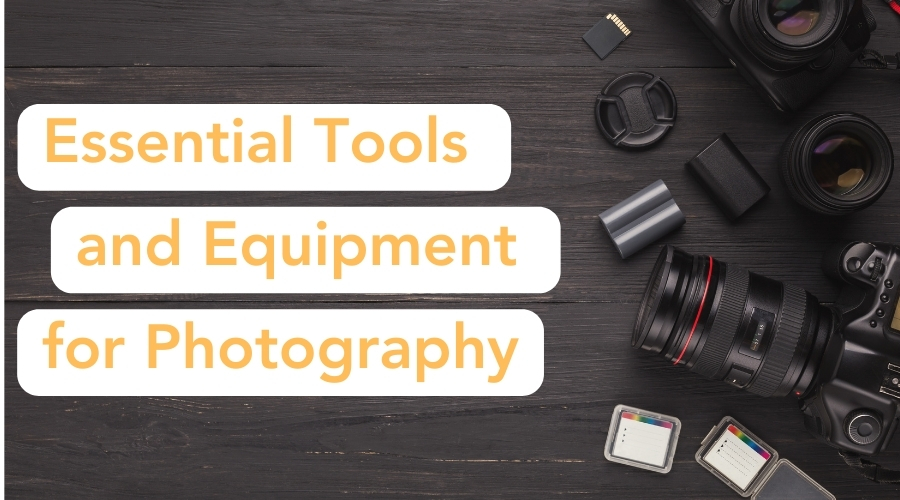
Photography is a captivating art form that allows us to capture and preserve moments, tell stories, and express our creativity. To achieve exceptional results, photographers rely on a range of essential tools and equipment. In this comprehensive guide, we will explore the key topics and subtopics related to these tools, providing valuable insights to help photographers of all levels enhance their craft.
Cameras:
Cameras are the primary tools of photography, and understanding their features and capabilities is essential for capturing stunning images. Different types of cameras, such as DSLR, mirrorless, and point-and-shoot, offer varying levels of control and versatility. Factors like megapixels, sensor size, and ISO range impact image quality and low-light performance.
Additionally, exploring lenses and focal lengths opens up creative possibilities and allows photographers to adapt to different shooting scenarios. Camera accessories like batteries, memory cards, and camera bags are also crucial for a smooth and organized workflow.
Tripods and Supports:
Stability is key to achieving sharp, blur-free images, especially in low-light situations or when using long exposures. Tripods provide a sturdy foundation for the camera, reducing camera shake and allowing for precise composition. Various tripod types, such as traditional tripods and travel-friendly options, cater to different needs.
Monopods offer portability and flexibility, while stabilizers and gimbals excel in capturing smooth video footage. Understanding the features and selecting the appropriate support system for each shooting scenario ensures photographers can achieve their desired results.
Get a Free Trial for Photo Editing Service!

Lighting Equipment:
Lighting plays a vital role in photography, whether it’s natural or artificial. Controlling light allows photographers to shape the mood, highlight subjects, and add depth to their images. External flash units provide additional light output and flexibility, while continuous lighting options like studio lights and LED panels offer consistent illumination for studio setups.
Light modifiers such as softboxes, umbrellas, and reflectors help diffuse or direct light, creating flattering and dynamic lighting effects. Learning about various lighting techniques and off-camera lighting setups empowers photographers to master the art of light manipulation.
Accessories for Image Capture:
Photography accessories enhance the shooting experience and broaden creative possibilities. Filters, such as polarizers and neutral density filters, allow photographers to control reflections, reduce glare, and achieve long exposure effects.
Remote shutter release devices minimize camera shake when capturing long exposures or self-portraits. Intervalometers enable the creation of captivating time-lapse sequences. External microphones improve audio quality for video recording, ensuring that the visuals are complemented by superior sound.
Post-Processing Tools:
Post-processing is an integral part of modern photography, allowing photographers to fine-tune their images and bring their creative vision to life. Image editing software, like Adobe Photoshop and Lightroom, offers powerful tools for adjusting exposure, colors, and other parameters.
Color calibration tools and monitors ensure accurate color representation throughout the editing workflow. External hard drives and storage solutions provide secure backup and efficient file management. Printers and calibration tools enable photographers to produce high-quality prints that accurately reflect their artistic intent.
Get a Free Quote Now!

Studio Equipment:
For photographers specializing in studio work, having the right equipment is essential. Backdrops and background support systems offer versatility in creating different settings and moods. Light tents and product photography setups provide controlled lighting environments for capturing professional product shots.
Studio props and accessories add interest and creativity to compositions, allowing photographers to create unique and visually appealing images.
Camera Bags and Carrying Systems:
Protecting and organizing gear is crucial for photographers on the go. Choosing the right camera bag, whether it’s a backpack, shoulder bag, or rolling case, depends on factors like gear size, personal preference, and travel requirements. Camera inserts and dividers keep equipment safe and well-organized within bags. Camera straps and harnesses provide comfort and security during shoots, preventing accidental drops or damage.
Maintenance and Cleaning:
Proper maintenance and cleaning of photography equipment ensure optimal performance and longevity. Sensor cleaning tools help remove dust and debris from camera sensors, ensuring clean and spot-free images. Lens cleaning kits maintain the optical quality of lenses. Dust blowers and brushes assist in removing dust and dirt from camera bodies and accessories. Following best practices for camera and equipment maintenance helps photographers avoid issues and ensures their gear is always in top shape.
Conclusion:
Photography is a beautiful medium that requires a range of essential tools and equipment to capture stunning images. By understanding the topics and subtopics discussed in this comprehensive guide, photographers can make informed decisions when selecting and utilizing these tools.
Whether it’s cameras, tripods, lighting equipment, or post-processing tools, each element plays a vital role in enhancing the photographic journey. Armed with the right knowledge, photographers can elevate their craft and create impactful and mesmerizing images.
Here’s an expanded list of essential tools and equipment for photography:
1. Memory Cards:
◘ SD cards
◘ CF cards
◘ XQD or CFexpress cards
2. Battery and Power:
◘ Spare camera batteries
◘ Battery charger
◘ Portable power bank
3. Camera Strap:
◘ Neck strap
◘ Wrist strap
◘ Sling strap
4. Light Meter:
◘ Handheld light meter
◘ In-camera light meter
5. Reflector:
◘ Collapsible reflector
◘ Reflector arm
6. External Hard Drive:
◘ Portable external hard drive
◘ Solid-state drive (SSD)
7. Lens Filters:
◘ UV filters
◘ Graduated neutral density filters
◘ Color filters
8. Wireless Remote:
◘ Wireless remote control
◘ Smartphone app for remote control
9. Lens Hood:
◘ Dedicated lens hood for each lens
10. Rain Cover:
◘ Protective cover for camera and lenses during inclement weather
11. Lens Cleaning Pen:
◘ Portable and convenient tool for lens cleaning
Note: Remember, the specific tools and equipment you need may vary depending on your photography style and preferences. It’s important to assess your unique requirements and invest in the equipment that best suits your needs.
FAQs:
- What type of camera is best for photography?
The best type of camera for photography depends on individual preferences and needs. DSLR cameras offer versatility, manual controls, and interchangeable lenses, making them a popular choice among enthusiasts and professionals. Mirrorless cameras are compact, lightweight, and offer advanced features. Point-and-shoot cameras are convenient for casual photography. Consider your shooting style, budget, and desired features to determine the best camera for you. - Why do photographers use tripods?
Photographers use tripods to achieve stability, reduce camera shake, and capture sharp, blur-free images. Tripods are especially useful in low-light situations, long exposures, or when using heavy telephoto lenses. They also provide a steady platform for composing shots, allowing photographers to fine-tune their framing and focus. - What are some essential lighting equipment for photography?
Essential lighting equipment includes external flash units for additional light output, studio lights for controlled lighting setups, LED panels for continuous lighting, and light modifiers such as softboxes, umbrellas, and reflectors for shaping and diffusing light. These tools help photographers control the intensity, direction, and quality of light, resulting in well-lit and visually appealing images. - Why should I consider using filters in photography?
Filters are valuable accessories that can enhance your photography. Polarizers reduce reflections and increase saturation, making colors more vibrant. Neutral density filters allow for longer exposures and help create motion blur effects. Graduated neutral density filters balance exposure in scenes with high contrast, such as landscapes. Filters can add creative effects, protect your lens, and save time in post-processing. - What post-processing tools do photographers use?
Photographers use image editing software like Adobe Photoshop and Lightroom for post-processing. These tools allow for adjustments in exposure, color correction, cropping, and retouching. Color calibration tools and high-quality monitors ensure accurate color representation. External hard drives provide secure storage for images, and printers with print calibration tools enable photographers to produce high-quality prints. - Do I need a studio for photography?
A dedicated studio space is not necessary for all types of photography. Many photographers work outdoors or in natural light settings. However, for studio photography, having a dedicated space with backdrops, lighting equipment, and props can provide greater control over lighting and backgrounds. Studio setups are particularly useful for portrait photography, product photography, and other controlled shooting environments. - How should I maintain and clean my camera equipment?
Proper maintenance and cleaning are essential for the longevity and optimal performance of camera equipment. Use sensor cleaning tools to remove dust from camera sensors. Lens cleaning kits help keep lenses dust-free and maintain optical quality. Dust blowers and brushes are useful for cleaning camera bodies and accessories. Regularly follow manufacturer guidelines, avoid harsh cleaning solutions, and handle equipment with care to ensure it stays in top condition.
For More Photography Blogs Visit our Site: https://www.clippingworld.com/blog/
 Clipping World